What Happens Beach Stays at the Beach
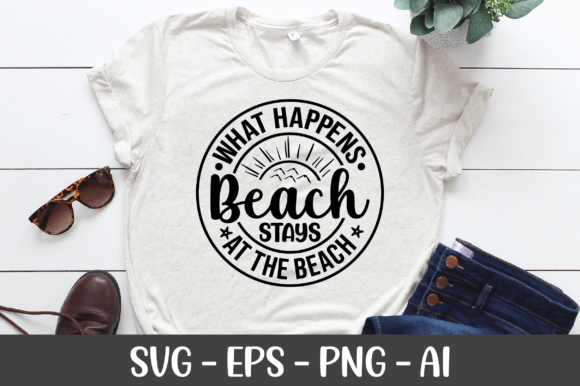
As an embroidery designer and product reviewer, I’ve seen my fair share of digital files that promise a lot but deliver little. What Happens Beach Stays at the Beach is one of those designs that immediately caught my eye with its laid-back, beachy vibe. It’s a simple yet effective design that could work well for a variety of projects, especially if you’re looking to add a touch of summer or coastal charm to your handmade products.
The First Impression
From the moment I opened the file, What Happens Beach Stays at the Beach felt like a breath of fresh air. The layout is clean, the shape is balanced, and the overall aesthetic is relaxed. It doesn’t scream for attention but has a subtle charm that makes it memorable. The theme is clear—beach life, relaxation, and the idea of staying put in a sunny spot. This makes it ideal for items like tote bags, sweatshirts, and even baby onesies.
The design isn’t overly detailed, which is a good thing. It avoids being too busy, making it suitable for a wide range of fabrics and project types. The line work is crisp, and the spacing between elements feels just right. It’s the kind of design that can stand on its own or be paired with other elements without clashing.
Real-Life Embroidery Performance
I tested What Happens Beach Stays at the Beach on several different materials to see how it would hold up in real-world situations. On a cotton tote bag, it looked great—clean lines and a nice balance of detail. The stitch density was appropriate, and the design didn’t require any excessive stabilizer or special handling.
On a sweatshirt, the design also performed well. The fabric was light enough to allow the stitches to show without being too stiff. I noticed that the satin stitch areas were smooth and even, which is important for a professional look. For a baby item, like a onesie or a blanket, the design would be perfect. It’s simple enough for small-scale embroidery and still has enough visual interest to make the piece feel special.
When it came to a cap or hat, the design required a bit more care. The curved surface meant that the hoop size had to be adjusted, and I found that using a smaller hoop helped keep the design centered. The corners of the design were slightly tight, so I recommend checking the stitch density in those areas before committing to a larger project.
Where to Use With Caution
While What Happens Beach Stays at the Beach is versatile, there are some situations where it might not perform as well. On thin or stretchy fabrics, the design could lose some of its clarity. You may need to use a heavier stabilizer or adjust the hoop size to ensure the stitches don’t distort the fabric.
For dark fabrics, the design might not stand out as much unless you choose a contrasting thread color. I recommend testing it on both light and dark backgrounds to see how it looks. If you’re planning to use it on a layered garment or something with a textured surface, be mindful of how the design interacts with the fabric beneath.
Small details, like the lettering in the design, might be challenging on very small hoop sizes. If you’re working on a patch or a tiny item, you’ll want to make sure the design is scaled appropriately. Also, if you’re planning to use it for a commercial project, double-check the licensing terms to ensure you’re allowed to sell finished products or digital files.
Impact on Visual Appeal and Customer Perception
What Happens Beach Stays at the Beach adds a sense of warmth and personality to any project it’s used on. It’s the kind of design that customers will notice and appreciate, especially if they’re looking for something unique or meaningful. Whether it’s a personalized gift or a small business product, the design helps elevate the overall look and feel of the finished item.
From a branding perspective, this design could fit well into a collection of coastal-themed products. It’s consistent with the theme and can be used across multiple items, helping to create a cohesive look. For Etsy sellers or crafters, it’s a solid choice for adding a beachy touch to your listings without overcomplicating things.
When it comes to customer engagement, the design has a friendly, approachable quality that can make a product more relatable. It’s not too flashy, but it’s still visually appealing enough to catch the eye. This makes it a good option for handmade products that aim to connect with buyers on a personal level.
Practical Designer Notes
Before jumping into a full project, I always recommend testing What Happens Beach Stays at the Beach on scrap fabric. This allows you to see how the design looks in real life and make any necessary adjustments. Pay close attention to the stitch density and the way the design interacts with the fabric texture.
If you’re using this design for a commercial project, make sure you have the proper licensing. Some digital files come with restrictions, so it’s important to confirm what you can and cannot do with the design. Also, check the thread color contrast to ensure the design stands out on the fabric you’re using.
For digital product sellers, the design could be a valuable addition to your library of printable mockups or design assets. It’s simple enough to work well in a variety of formats and can be easily adapted for different uses. Just remember to test it in black and white mockups to see how it looks without color.
In summary, What Happens Beach Stays at the Beach is a solid machine embroidery design that offers a mix of style and practicality. It’s ideal for custom apparel, personalized gifts, and small business merchandise, and it performs well across a range of materials and project types. With a bit of care and testing, it can become a staple in your embroidery toolkit.